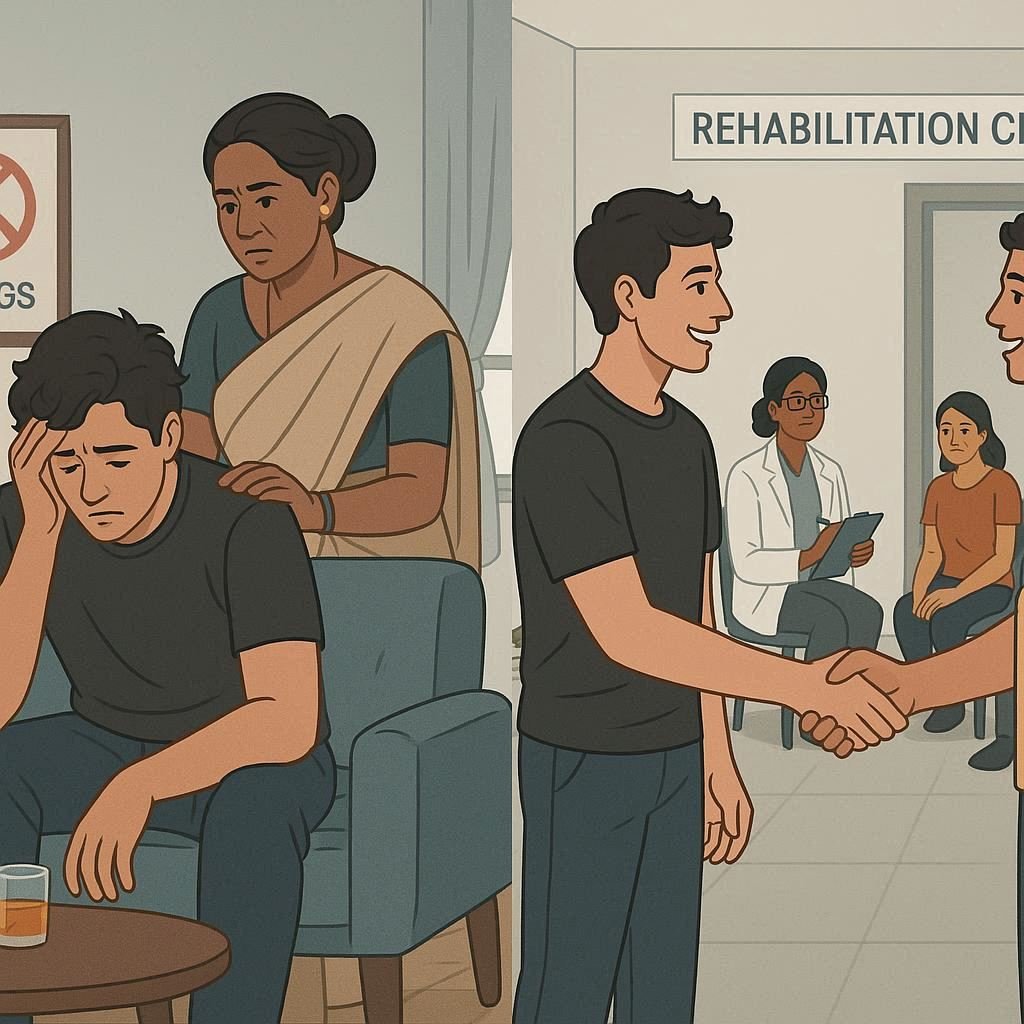
Addiction recovery is not a one-day process—it’s a journey that requires patience, guidance, and emotional strength. A Nasha Mukti Kendra (de-addiction center) plays a vital role in helping individuals overcome substance dependence and rebuild a healthier, purpose-driven life. Understanding the different phases of recovery at a Nasha Mukti Kendra can help families and patients prepare for the healing journey ahead. Each phase of recovery focuses on a specific goal—physical detox, emotional healing, and social reintegration. Let’s explore these stages in detail.
1. The Admission and Assessment Phase
The recovery process begins with admission and assessment, where the individual’s medical history, addiction level, and mental health condition are thoroughly evaluated. The doctors and counselors at centers like Samaj Kalyan Foundation create a personalized treatment plan based on the patient’s needs. During this phase, the focus is on building trust between the patient and the medical team. It’s also when families receive guidance on what to expect throughout the rehabilitation journey. This phase sets the foundation for long-term recovery.
2. The Detoxification Phase: Cleansing the Body
Detoxification is often the most challenging step in addiction recovery. It involves removing toxic substances from the body under the supervision of medical professionals. Withdrawal symptoms like anxiety, nausea, or mood swings are common, but with proper medical care, patients gradually regain physical stability.
The Nasha Mukti Kendra ensures that detox happens safely and comfortably with round-the-clock monitoring. This phase focuses on restoring physical health and helping patients prepare for the psychological healing that follows.
3. The Counseling and Therapy Phase
Once the body stabilizes, it’s time to heal the mind. Counseling and therapy form the core of rehabilitation at a best nasha mukti kendra gorkhpur.
Through individual and group counseling, patients understand the root causes of their addiction, such as stress, trauma, or peer pressure. Cognitive Behavioral Therapy (CBT), meditation, yoga, and motivational sessions are used to rebuild self-control and emotional resilience.
This phase also emphasizes self-awareness, helping individuals replace negative habits with positive coping mechanisms.
4. The Skill-Building and Behavioral Training Phase
Recovery is not just about quitting addiction—it’s about learning how to live again. In this phase, patients are encouraged to develop new skills, hobbies, and interests. Vocational training, workshops, and recreational activities are introduced to boost confidence and rebuild a sense of purpose.
Centers like Samaj Kalyan Foundation emphasize community living, teamwork, and discipline, preparing individuals to reintegrate smoothly into society. Behavioral training helps them manage stress, avoid triggers, and maintain long-term sobriety.
5. The Reintegration and Aftercare Phase
The final and most crucial stage is reintegration into society. After completing their program, patients receive continued support through aftercare sessions, follow-up counseling, and peer group meetings.
A good Nasha Mukti Kendra doesn’t stop its care after discharge—it ensures ongoing guidance to prevent relapse and encourage a fulfilling, addiction-free life.
Aftercare is vital because recovery doesn’t end when treatment does. Regular check-ins, community meetings, and family involvement help individuals stay focused on their progress and maintain a healthy routine.
Conclusion: Recovery Is a Journey of Hope
Understanding the phases of recovery helps families and patients embrace the rehabilitation process with compassion and patience. A nasha mukti kendra in gorkhpur offers not just treatment but also emotional healing, skill development, and lifelong support.
At Samaj Kalyan Foundation, recovery is viewed as a partnership between the patient, family, and professionals. With the right care and commitment, anyone can break free from addiction and begin a new chapter filled with strength, purpose, and hope.